
ESX 4
Configuring software iSCSI Round Robin MPIO on ESX 4.x.
This is just a quick post about configuring software iSCSI Round Robin MPIO (2:1 mapping) on an ESX 4.x server. Here is a quick overview of the procedure: Create VMkernel […]
This is just a quick post about configuring software iSCSI Round Robin MPIO (2:1 mapping) on an ESX 4.x server. Here is a quick overview of the procedure: Create VMkernel […]
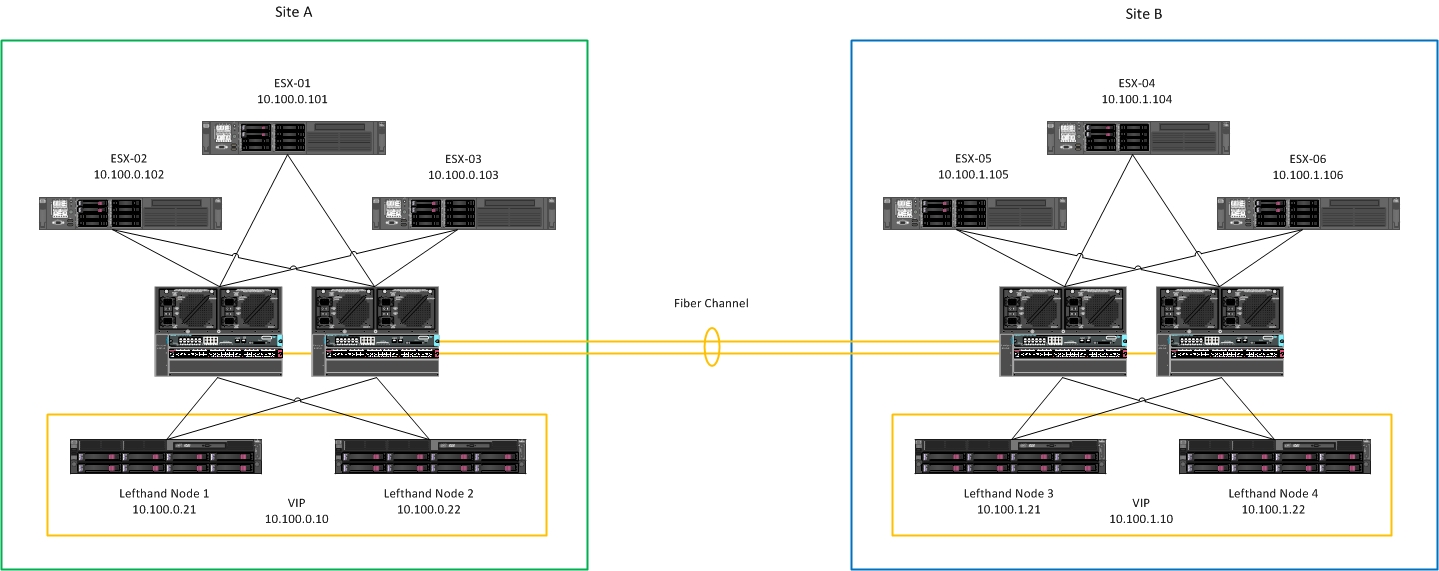
There are a lot great blog posts about the HP StorageWorks P4000 SAN arrays (formally known as HP Lefthand). I think the articles written by Frank Denneman are one of […]
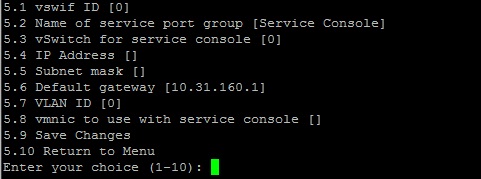
Troubleshooting Service Console issues has always been a little bit annoying (well, at least to me 🙂 ). However, since ESX4 Update 2, there is a new command that will make […]
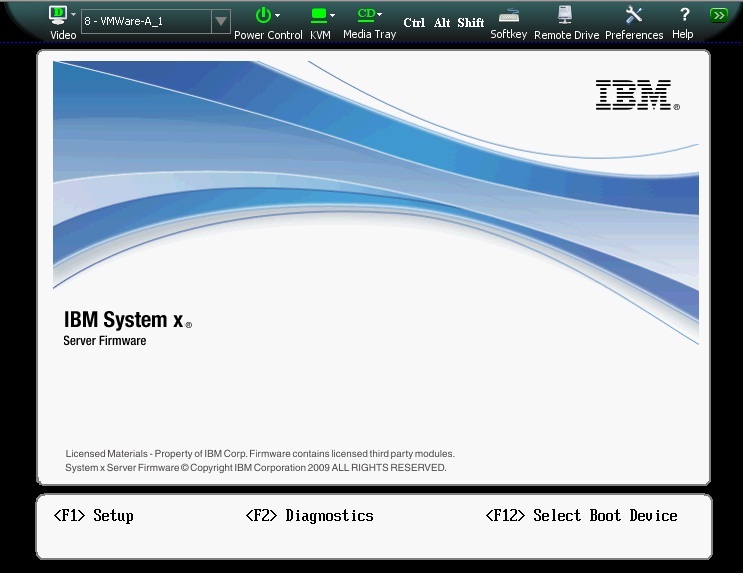
Wow, it has been a while since my last blog! I’ve been working on a large virtualization project at one of our customers lately, which involved diskless IBM HS22 blade servers with two […]
“Turn off what you do not need” is my motto 🙂 . So, if you are not using the VMFS-2 (which you probably aren’t using since ESX 3.x) and/or NFSClient […]
The tail command displays last 10 lines of a file and with the –f (follow) parameter you can see the data appended to it. So, if you want to see […]
Before you begin, check the names of the vmhba adapters on your ESX server. From the vSphere Client go to Configuration tab and click on Storage Adapters. Now, to set Jumbo Frame support […]
If you want to kill an unresponsive VM on an ESX server and it cannot be turned off with the vmware-cmd stop hard command then try the following: Logon the […]
Copyright © 2024 | DefaultReasoning.com